

Dry Eye Syndrome in Green Bay WI
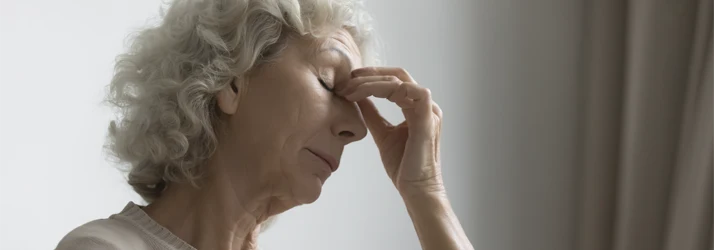
Dry Eye Syndrome can make your eyes feel tired, watery, or irritated because they don't stay moist the way they should. At Freedom Eye Care, we examine your tear film and the surface of your eye to determine the cause of the problem. Our team offers gentle, effective care to soothe your eyes and keep them healthy.
What is Dry Eye Syndrome in Green Bay WI?
Dry Eye Syndrome happens when your eyes don't make enough tears or when the tears you have don't work the way they should. Tears keep your eyes moist, smooth, and protected. When they're out of balance, your eyes may feel itchy, gritty, or tired.
Some people even notice burning, stinging, or sudden watery eyes because the eyes try to make up for dryness. These symptoms can make reading, driving, or using screens uncomfortable.
Most cases of dry eye are due to problems with the oil glands in the eyelids. These tiny glands help your tears stay on your eyes longer. When they get blocked, your tears dry up too fast. Other factors, such as age, weather, certain medicines, or health conditions, can make dry eye worse.
If dry eye is left untreated, it can get stronger over time and may even affect the front of your eye. That's why it's crucial to get the proper care early. At the end of your visit to Freedom Eye Care, we help you understand what's causing your dry eye and what steps can give you long-lasting comfort.
Common Causes of Dry Eye Syndrome You Should Know
Dry Eye Syndrome doesn't have a single cause. Many everyday things can trigger discomfort or worsen symptoms. Knowing what affects your eyes can help you better understand your treatment plan.
Here are some of the most common causes:
- Blocked oil glands in the eyelids affect the quality of your tears.
- Hormonal changes, especially in women during pregnancy, menopause, or when using birth control.
- Aging, since tear production naturally slows after age 50.
- Dry or windy environments, including heat, fans, air conditioning, and time outdoors.
- Medications like antidepressants, blood pressure medicines, or allergy medicine.
- Autoimmune conditions, such as Sjogren's syndrome or arthritis.
Dry eye can affect people of all ages, but some groups are more likely to notice symptoms sooner. When you understand the cause, it becomes much easier to choose the right treatment and reduce irritation.
Symptoms You Should Look Out For
Dry eye symptoms can seem small at first, but they often become more noticeable as the day goes on. Some people describe the feeling as if something is stuck in their eye. Others say their eyes feel tired even when they haven't been reading or using screens for long.
You may have Dry Eye Syndrome if you notice:
- Eyes that feel sandy, gritty, or itchy.
- Redness or burning.
- Watery eyes that still feel dry.
- Light sensitivity.
- Discomfort near the end of the day.
- Frequent use of eye drops just to feel normal.
These symptoms may come and go, but if they happen often, it's vital to get checked. Early care helps prevent dryness from worsening and protects your long-term eye health. Our team at Freedom Eye Care can help confirm the cause and guide you toward the best solutions.
How Technology Helps Diagnose and Treat Dry Eye
New technology makes it much easier to understand what's happening on the surface of your eyes. Instead of guessing, we can now see the quality of your tears, the health of your oil glands, and how well your eyes stay moisturized throughout the day. These details help create a treatment plan that fits your exact needs.
During a dry eye evaluation, specialized imaging tools may measure your tear film, assess tear evaporation time, or detect blocked oil glands. These tests are quick, gentle, and give a clear picture of why your eyes feel irritated.
Using this information, your doctor can recommend safe and effective treatments such as warm compress therapy, lid cleaning, moisture masks, or medication that increases natural tear production. Technology doesn't just help diagnose dry eye; it also helps track improvements over time so your eyes stay comfortable and protected.
How Can You Manage Dry Eye?
You can do many simple things to help your eyes feel better and to prevent dryness from getting worse. Improving your daily routine may make a bigger difference than you think.
Try these helpful tips:
- Blink more often during screen use.
- Drink plenty of water.
- Use a humidifier in dry rooms.
- Wear sunglasses outdoors to protect your eyes.
- Avoid fans blowing directly on your face.
- Take breaks from long computer sessions.
If you wear contacts, choosing the right lens material and solution is very important. Some solutions can make dry eye worse, while others keep your eyes hydrated. Your eye doctor can tell you which ones work best. For added support and personal guidance, Freedom Eye Care can recommend home care steps that match your lifestyle.
Wearing Contact Lenses When You Have Dry Eye
Contact lenses can be tricky if your eyes already feel dry. Regular solutions may contain ingredients that irritate sensitive eyes. The wrong lens type can also cause friction, redness, and more dryness throughout the day. But with the right choices, many people with dry eye can still comfortably wear contacts.
There are contact lenses made to help your eyes stay moist longer. Some hold more water, and others allow large amounts of oxygen to pass through. Monthly lenses designed for dry eyes, special cleaning solutions, or daily disposable lenses may all help reduce irritation.
Your eye doctor can help you choose a lens that works with your eye shape and dryness level. With the proper fit and care, contacts can feel comfortable again, even for people with long-term dry eye.
Get Relief From Dry Eye
Dry Eye Syndrome can make daily tasks uncomfortable. Reach out to Freedom Eye Care to book an appointment and learn about treatment options.
Contact Information:
Freedom Eye Care
4211 S Lamar Blvd #E3

Waffles
OFFICE HOURS
Monday
9:00am - 1:00pm
2:00pm - 6:00pm
Tuesday
9:00am - 1:00pm
2:00pm - 6:00pm
Wednesday
9:00am - 1:00pm
2:00pm - 6:00pm
Thursday
9:00am - 1:00pm
2:00pm - 6:00pm
Friday
Closed
Saturday & Sunday
Closed

Freedom Eye Care
4211 S Lamar Blvd #E3
Green Bay, WI 78704
F: (512) 916-4485